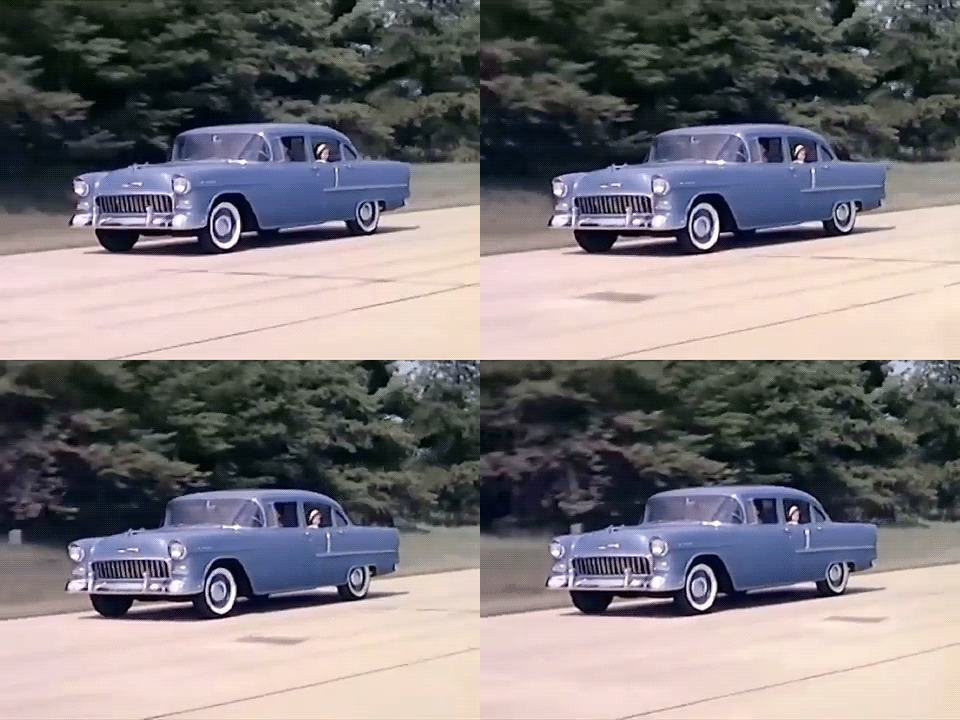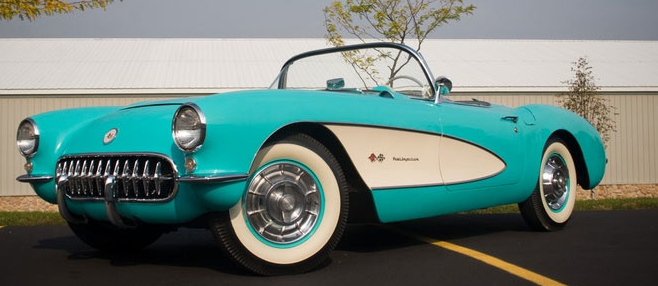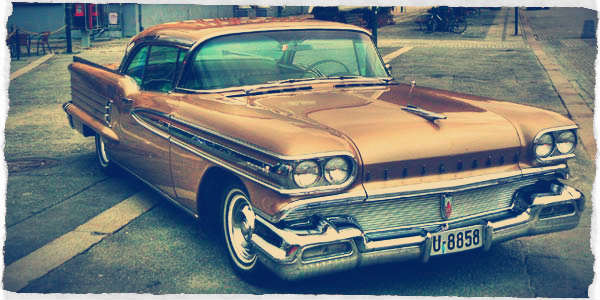
HEAR THE ENGINE BOOM
After the Korean War there was a boom in the production of many things and ideas! A main was automobiles! The cars of the 1950s were a lot more than just some pieces of transportation. It made you stand out in the suburbs, where everyone at the time seemed to be flocking to. Muscle cars let people show off what they had and wanted it to reflect on who they thought they should be. The vehicles had style, speed and made excellent entertainment. These new amazing vehicles also led to different businesses to cater to them. Motels (motor hotels), drive-in theaters and fast food all became popular.
People were car crazy. Especially more so after the Interstate Highway System was created by Eisenhower. It took several years trying to get the Act in motion but it was passed in June 1956. It approved the construction of a 41,000-mile system of interstate highways that would cross the nation. It also allowed for $26 billion to pay for the roads. According to the act, the federal government would have to pay 90 percent of the cost of the expressway creation. The money came from an increased 2 to 3 cents a gallon gasoline tax that was to be placed in a Highway Trust Fund.
The interstate highways built had overpasses and underpasses instead of intersections. They were built at the least four lanes wide and were fashioned for high-speed driving. The Interstate Highway System overall is composed of 46,000-miles. Eisenhower claimed it would eliminate unsafe roads, inefficient routes, traffic jams and other things that got in the way of easy travel. It was also argued that in case of nuclear attack on main cities it would allow for a quicker evacuation and the Federal-Aid Highway Act of 1956 was signed because of how essential it seemed. A quote by eisenhower also demonstrates the necessity and efficiency "The country urgently needs a modernized interstate highway system to relieve existing congestion, to provide for the expected growth of motor vehicle traffic, to strengthen the Nation's defenses, to reduce the toll of human life exacted each year in highway accidents, and to promote economic development."
It was as though many things dealing with cars because of necessity. The incline of drivers called for the necessity of good roads. Yet there seemed to not be many and nobody to pay for their construction. People who profited from the automobile industry such as car companies, tire manufacturers, gas station owners and suburban developers would help to persuade state and localized governments that roads were a BIG concern that needed to be payed for. In numerous places, officials used taxpayer money for the betterment and creation of sturdy roads. In other times, before 1956, the federal government divided the expenditure with the states. An exception to this was within the New Deal. Public Works Administration and the Works Progress Administration put people to work building bridges and parkways. However, this method did not get roads built fast enough to please the public. If you look out your car window today on your way to work or school you can see in some way how far roads and automobiles have transformed since the 1950s and even before.